The maintenance of brass instrument pistons is a crucial aspect of ensuring longevity and optimal performance. Many musicians, both amateur and professional, often overlook the importance of regular care, leading to sluggish movement, poor sound quality, and even irreversible damage. Understanding how to properly clean, lubricate, and store these delicate components can make the difference between a horn that sings and one that struggles.
Why piston maintenance matters cannot be overstated. The piston valves are the heart of brass instruments like trumpets, cornets, and French horns. These precision-engineered components must move freely and seal perfectly to produce clear tones. When neglected, dirt, grime, and old oil accumulate, causing the pistons to stick or become noisy. This not only affects playability but can also lead to costly repairs down the line. Professional players know that a well-maintained instrument responds better to subtle playing techniques and maintains consistent intonation.
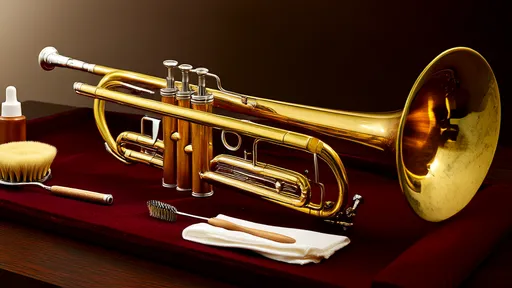
The cleaning process begins with disassembly, which should always be done over a soft surface to prevent damage if parts are dropped. Each piston is numbered and must be returned to its original casing - mixing them up will ruin the instrument's tuning. Using a proper valve casing brush with mild, soapy water helps remove built-up residue from the inside of the casings. For the pistons themselves, a lint-free cloth dampened with the same solution works well for wiping away accumulated oils and dirt. Never use abrasive materials that could scratch the plating.
Lubrication is where many players go wrong, either using too much oil or the wrong type. High-quality, specially formulated valve oil should be applied sparingly - just a few drops per piston. The oil needs to be worked in by moving the piston up and down in its casing without the spring installed. Excess oil should be wiped away, as it only attracts more dirt. Some professionals recommend a light coating of oil on the outside of the pistons before reinserting them into the casings to ensure smooth initial movement.
The frequency of maintenance depends largely on how often the instrument is played. For daily players, a complete cleaning and oiling should occur at least once a month, with quick oil applications as needed between full cleanings. Instruments used less frequently might only need thorough attention every few months. Climate plays a role too - humid environments may require more frequent oil changes, while dry conditions might necessitate slightly heavier oils to prevent excessive wear.
Storage conditions significantly impact piston health. Never leave the instrument assembled when not in use for extended periods, as this can cause the oil to dry out and the pistons to stick. The case should provide adequate padding and be stored in a temperature-controlled environment. Sudden temperature changes can cause condensation inside the valve casings, leading to corrosion over time. Some players store their instruments with the valves slightly pulled out to prevent them from settling into one position.
Recognizing when professional servicing is needed is another critical aspect of maintenance. If pistons continue to stick after thorough cleaning, show visible signs of pitting or wear, or make unusual noises, it's time to visit a qualified repair technician. Attempting to fix serious issues at home often leads to more damage. Regular professional inspections, perhaps annually for frequently played instruments, can catch small problems before they become major repairs.
The relationship between a musician and their instrument is deeply personal, and proper piston maintenance forms the foundation of that relationship. Taking the time to care for these precision components ensures that the instrument will respond when inspiration strikes. While the process may seem tedious at first, it quickly becomes second nature - a small ritual that connects player to instrument. The difference in performance and longevity makes the effort more than worthwhile for anyone serious about their brass playing.
By /Aug 13, 2025

By /Aug 13, 2025
By /Aug 13, 2025
By /Aug 13, 2025
By /Aug 13, 2025

By /Aug 13, 2025

By /Aug 13, 2025

By /Aug 13, 2025
By /Aug 13, 2025

By /Aug 13, 2025

By /Aug 13, 2025

By /Aug 13, 2025

By /Aug 13, 2025

By /Aug 13, 2025
By /Aug 13, 2025

By /Aug 13, 2025

By /Aug 13, 2025
By /Aug 13, 2025

By /Aug 13, 2025
By /Aug 13, 2025
