The gentle art of lulling a baby to sleep has been practiced across cultures for centuries, with lullabies serving as the universal language of comfort. In today's fast-paced world, parents are rediscovering the power of carefully curated cradle songs to soothe their little ones. The selection of perfect lullabies isn't merely about picking pretty melodies - it's about understanding the science of sound and its profound impact on infant development.
Modern neuroscience reveals that specific sound frequencies and rhythmic patterns can directly influence an infant's brain activity. The magic happens when 60-80 beats per minute melodies synchronize with a resting heart rate, creating physiological calmness. This explains why certain traditional lullabies from different cultures share remarkably similar tempos despite originating continents apart. The human voice, particularly a parent's, carries unique harmonics that trigger emotional security responses hardwired into our biology.
Contemporary parents face an overwhelming array of musical choices. Streaming platforms offer thousands of "baby sleep" playlists, but quantity doesn't guarantee quality. Many commercial lullaby collections prioritize catchy arrangements over authentic soothing properties. The true test comes when tiny eyelids grow heavy within minutes of playback - that's when you know you've found the right selection.
Instrumentation matters profoundly in effective lullabies. Harp vibrations resonate at frequencies similar to amniotic fluid movements, creating womb-like familiarity. Gentle piano works best when notes sustain properly without sharp attacks. Surprisingly, some digital instruments can achieve remarkable soothing effects when properly engineered, though they'll never replace the organic warmth of acoustic instruments. The absence of sudden dynamic changes proves crucial - babies startle easily at abrupt sonic shifts.
Lyric content carries equal importance, though infants don't comprehend words. The melodic contour of language soothes regardless of meaning, but studies show positive affirmations in lyrics create subtle psychological benefits. Many traditional lullabies contain surprisingly dark themes - a cultural method of emotional vaccination. Modern parents often prefer uplifting messages, creating demand for reinvented classics with encouraging lyrics.
Cultural diversity enriches lullaby selections tremendously. Scandinavian visa songs feature distinctive minor-key melancholy that paradoxically induces deep calm. West African griot lullabies incorporate complex polyrhythms that entrain infant brainwaves differently than Western lullabies. Indian thaal patterns use cyclical rhythms that mimic natural breathing. Exploring international cradle songs develops a child's ear for global musical languages from their earliest moments.
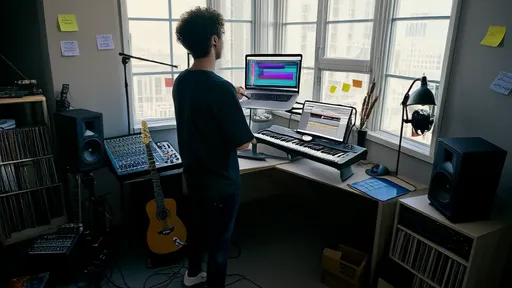
The recording environment separates exceptional lullaby collections from mediocre ones. Studio-produced tracks often lack the intimate warmth needed for true soothing. Field recordings of actual caregivers singing to babies capture irreplicable authenticity. The best professional recordings simulate this closeness through specific microphone techniques and natural room acoustics. Listen for the subtle breath sounds between phrases - that human presence makes all the difference.
Volume dynamics present another crucial factor. Compression-heavy modern productions lose the gentle dynamic undulations that mirror natural speech. The finest lullaby recordings preserve organic loudness variations while maintaining overall softness. This dynamic honesty helps maintain infant interest without overstimulation - a delicate balance mastered by few audio engineers.
Emerging research suggests personalized lullabies yield superior results. Some services now create custom songs incorporating family names, meaningful places, or even heartbeat recordings. This hyper-personalization taps into primitive recognition patterns, though traditional melodies still form the essential foundation. The future may bring AI-generated lullabies adapting in real-time to a baby's biometric feedback, but the human touch remains irreplaceable.
Seasoned parents develop intuitive understanding of their child's unique musical preferences. Some infants respond better to female vocals, others to male or even children's voices. Certain melodic intervals prove universally comforting while others cause distress. The discovery process involves careful observation - noting when tiny muscles relax, breathing deepens, or sucking rhythms slow. These subtle cues guide the curation of a truly effective personal lullaby collection.
Sleep associations formed during infancy often persist into adulthood. The lullabies we hear in our earliest months may subconsciously remain our lifelong comfort sounds. This lasting impact makes thoughtful lullaby selection one of the most meaningful musical choices parents ever make. Beyond immediate sleep benefits, these melodies become the soundtrack of childhood memories and emotional foundations.
Practical considerations for building a perfect lullaby library include testing tracks during different times of day and developmental stages. Newborns prefer simpler melodies while older infants engage with slightly more complex arrangements. Evening songs might differ from naptime selections. The truly comprehensive collection offers variety while maintaining cohesive soothing qualities - a challenging but rewarding creative endeavor for musically inclined parents.
The digital age presents both blessings and challenges for lullaby preservation. While streaming makes global cradle songs accessible, the tactile tradition of parents singing personal versions risks fading. The most effective approach combines technology's convenience with maintained human participation. Recorded lullabies work best when supplemented with live singing, even if just for a few minutes nightly. This hybrid method honors tradition while embracing modernity.
Music therapists emphasize lullabies' role beyond sleep induction. These songs build early language skills through phonetic exposure, emotional intelligence through melodic storytelling, and cultural identity through traditional material. The finest lullaby collections serve as comprehensive developmental tools rather than mere sleep aids. This multifaceted benefit explains why pediatricians increasingly prescribe musical engagement as essential infant care.
Commercial lullaby products vary wildly in quality. Discernment involves listening beyond surface pleasantness to identify tracks with genuine neurological impact. Warning signs include over-orchestration, synthetic textures, or vocal affectations. The purest recordings often sound deceptively simple - a single voice, sparse accompaniment, and ample silence between phrases. This minimalist approach mirrors how caregivers naturally sing when unselfconsciously comforting a child.
Historical context adds depth to lullaby appreciation. Many classic cradle songs originated as women's folk art, passed down through generations outside formal musical institutions. Their preservation represents triumph of oral tradition over official music history. Contemporary collections that honor this heritage while innovating respectfully bridge past and future beautifully. The best curators understand they're stewards of an ancient, living tradition.
Ultimately, the perfect lullaby selection reflects both universal human truths and individual family identity. It respects scientific principles of sound perception while leaving room for magical, unquantifiable connection. As research continues revealing how deeply music shapes developing minds, the humble lullaby takes its rightful place as foundational childhood nourishment. The parents who invest time in crafting this musical foundation give their children gifts that resonate throughout lifetimes.
By /Aug 13, 2025

By /Aug 13, 2025
By /Aug 13, 2025
By /Aug 13, 2025

By /Aug 13, 2025

By /Aug 13, 2025

By /Aug 13, 2025

By /Aug 13, 2025

By /Aug 13, 2025

By /Aug 13, 2025
By /Aug 13, 2025
By /Aug 13, 2025

By /Aug 13, 2025

By /Aug 13, 2025
By /Aug 13, 2025

By /Aug 13, 2025

By /Aug 13, 2025

By /Aug 13, 2025

By /Aug 13, 2025

By /Aug 13, 2025
