Guitar maintenance is an essential aspect of ensuring the longevity and optimal performance of your instrument. Among the various components that require attention, fret care often goes overlooked. Fret oxidation is a common issue that can affect playability and tone if left untreated. Understanding how to properly address this problem can make a significant difference in your guitar's overall condition.
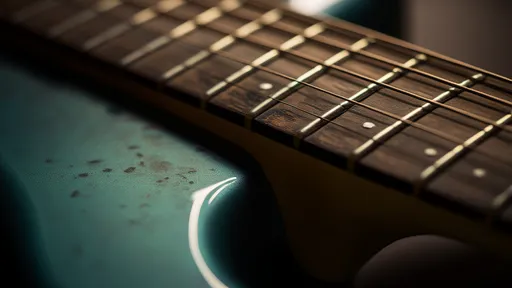
Oxidation occurs when the metal of the frets reacts with oxygen and moisture in the air. Over time, this leads to a dull, tarnished appearance and can even cause uneven wear. While some players appreciate the vintage look of aged frets, excessive oxidation can hinder smooth playing and intonation. The good news is that with the right techniques, you can restore your frets to their former glory without damaging the wood or finish of your guitar.
Before diving into the cleaning process, it's crucial to assess the condition of your frets. Light oxidation may only require a gentle polish, while severe cases might need more intensive treatment. Always start by cleaning the fretboard thoroughly to remove dirt and grime. A soft cloth dampened with lemon oil or a specialized fretboard cleaner works well for this purpose. Avoid using excessive moisture, as it can seep into the wood and cause swelling or other damage.
For mild oxidation, a microfiber cloth and a small amount of metal polish can do wonders. Apply the polish to the cloth rather than directly onto the frets to prevent it from spreading to the fretboard. Gently rub each fret in a back-and-forth motion, following the curve of the crown. Be cautious not to press too hard, as this can create flat spots on the frets. After polishing, wipe away any residue with a clean cloth to reveal a shiny, smooth surface.
In cases where oxidation is more stubborn, you might need to use fine-grade steel wool. This method requires extra care to protect the guitar's finish. Mask off the fretboard with painter's tape, leaving only the frets exposed. Using 0000-grade steel wool, lightly scrub each fret until the oxidation is removed. The ultra-fine steel wool is gentle enough to avoid scratching the frets while being effective at eliminating tarnish. Once finished, carefully remove the tape and clean any remaining steel wool particles with a soft brush or cloth.
For those who prefer a more modern approach, specialized fret erasers or polishing papers are excellent alternatives. These tools are designed specifically for fret maintenance and come in various grits to address different levels of oxidation. They allow for precise control and minimize the risk of damaging surrounding areas. Whether you choose steel wool or polishing papers, always follow up with a clean cloth to ensure no abrasive particles remain on the fretboard.
After treating oxidation, consider applying a protective coating to slow down future tarnishing. There are fret-specific products available that create a thin barrier against moisture and oxygen. These coatings are typically easy to apply and don't interfere with playability. However, some players prefer the natural feel of untreated frets and opt for regular maintenance instead of protective coatings.
Preventive measures can significantly reduce the rate of fret oxidation. Storing your guitar in a controlled environment with stable humidity levels is key. Using a hard case with humidity control or keeping the instrument in a room with a humidifier can make a noticeable difference. Additionally, wiping down the frets after each playing session removes sweat and oils that accelerate oxidation. A simple routine of quick cleaning can extend the time between deep cleaning sessions.
It's worth noting that different fret materials oxidize at varying rates. Nickel-silver frets, commonly found on many guitars, are particularly prone to tarnishing. Stainless steel frets, while more resistant, can still develop oxidation over extended periods. Gold EVO frets offer another alternative with excellent corrosion resistance. Understanding your fret material can help you tailor your maintenance approach for the best results.
When dealing with severe oxidation that has led to pitting or significant wear, professional refretting might be necessary. While the techniques mentioned can address surface-level issues, they cannot repair physical damage to the frets. A qualified luthier can assess whether your instrument would benefit from a partial or complete refret. This is often the case with vintage guitars or heavily played instruments where years of use have taken their toll on the fretwork.
Regular maintenance doesn't just keep your frets looking good—it preserves the playability of your guitar. Oxidized frets can cause string buzzing, intonation problems, and an overall unpleasant playing experience. By incorporating fret care into your guitar maintenance routine, you ensure that your instrument remains in top condition for years to come. The time invested in proper care pays off in the form of better tone, smoother playability, and increased longevity of your guitar.
Experiment with different methods to find what works best for your particular instrument and playing style. Some guitarists prefer the quick results of steel wool, while others favor the precision of specialized tools. Regardless of your approach, consistency is key. Establishing a regular cleaning schedule prevents oxidation from building up to problematic levels and makes each maintenance session quicker and easier.
Remember that fret maintenance is just one aspect of guitar care. While addressing oxidation is important, it should be part of a comprehensive maintenance routine that includes string changes, neck adjustments, and overall cleaning. A well-maintained guitar not only plays and sounds better but also holds its value over time. Whether you're a professional musician or a casual player, taking the time to properly care for your instrument demonstrates respect for the craft and ensures many more years of enjoyable playing.
By /Aug 13, 2025

By /Aug 13, 2025
By /Aug 13, 2025

By /Aug 13, 2025
By /Aug 13, 2025

By /Aug 13, 2025

By /Aug 13, 2025

By /Aug 13, 2025

By /Aug 13, 2025

By /Aug 13, 2025

By /Aug 13, 2025

By /Aug 13, 2025

By /Aug 13, 2025

By /Aug 13, 2025

By /Aug 13, 2025

By /Aug 13, 2025

By /Aug 13, 2025

By /Aug 13, 2025

By /Aug 13, 2025
By /Aug 13, 2025
