The landscape of musical performances has undergone a seismic shift in recent years, with online concerts emerging as both a necessity during pandemic restrictions and now a permanent fixture in the entertainment industry. What began as makeshift solutions for artists to connect with fans has evolved into sophisticated productions that rival traditional live events in terms of technical complexity and artistic ambition.
Pre-production planning forms the backbone of any successful virtual concert. Unlike traditional live shows where the energy of a physical audience can compensate for minor technical flaws, online performances leave no room for error. The most effective productions begin with detailed storyboarding that accounts for every camera angle, lighting change, and audio transition. Many top-tier artists now employ dedicated virtual concert directors who approach these events as cinematic experiences rather than mere live streams.
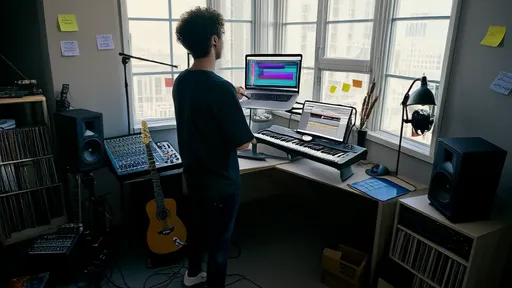
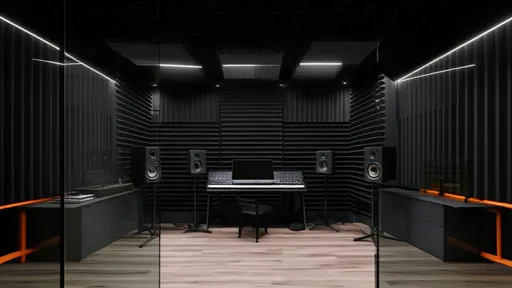
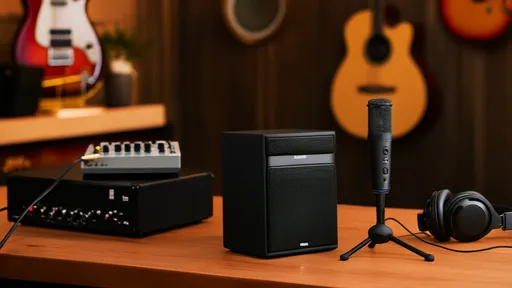
The technical infrastructure required for professional-grade online concerts often surprises newcomers to the medium. Beyond high-quality cameras and audio equipment, productions must account for reliable internet connectivity with substantial upload bandwidth. Many professionals recommend dedicated fiber-optic connections with redundant backups. The encoding hardware and software choices significantly impact the final viewer experience, with advanced setups using multiple encoding profiles to accommodate various viewer connection speeds.
Lighting design for virtual concerts presents unique challenges compared to traditional stage lighting. Camera sensors perceive light differently than human eyes, requiring adjustments to intensity and color temperature. The limited dynamic range of most consumer viewing devices means lighting must be carefully balanced to avoid blown-out highlights or crushed shadows. Many productions now incorporate virtual lighting pre-visualization tools to test looks before the actual shoot.
Audio engineering for online events demands particular attention. The sound mixing approach differs substantially from live concerts, as the final product will be heard through everything from smartphone speakers to high-end home theater systems. Multitrack recording is essential, allowing for post-production adjustments to balance vocals and instruments. Spatial audio techniques are gaining popularity, with some productions offering binaural or Dolby Atmos mixes for premium viewing experiences.
The camera work in virtual concerts has evolved far beyond simple static shots. Modern productions employ cinematic techniques including drone cameras, Steadicam operators, and even robotic camera systems. The editing rhythm tends to be faster than traditional concert films, with more frequent cuts and angles to maintain energy without a live audience. Many directors now shoot with multiple aspect ratios in mind, ensuring the production looks compelling whether viewed on a widescreen monitor or vertical smartphone display.
Interactive elements have become a hallmark of successful online concerts. From real-time fan comments influencing camera angles to virtual meet-and-greet sessions, the most engaging productions find ways to replicate the two-way energy of live events. Some artists incorporate augmented reality elements or allow viewers to switch between different camera angles. These technical features require careful synchronization between the video production, streaming platform, and any interactive software layers.
The post-production phase often separates amateur streams from professional productions. Color grading ensures visual consistency across all shots, while audio mastering tailors the mix for various playback systems. Many productions create multiple edited versions - a live-streamed "event" version and a more polished on-demand version for later viewing. The editing process also allows for the insertion of pre-recorded segments, special effects, or backup takes if any live elements didn't meet quality standards.
Monetization strategies significantly influence production decisions. Pay-per-view concerts typically receive higher production budgets than free events, reflected in more elaborate sets and effects. Some artists produce virtual concerts as loss leaders to promote album sales or merchandise, while others have found online performances to be profitable ventures in their own right. The technical infrastructure must support the chosen monetization model, whether that's ticketing integration, donation systems, or sponsorship placements.
Platform selection remains one of the most critical decisions in online concert production. Different streaming services offer varying capabilities in terms of maximum resolution, audio quality, and interactive features. Some artists opt for multi-platform streaming to maximize audience reach, though this often requires additional encoding and monitoring equipment. The choice between live streaming and pre-recorded "live" presentations depends on the desired audience interaction level and the technical complexity of the production.
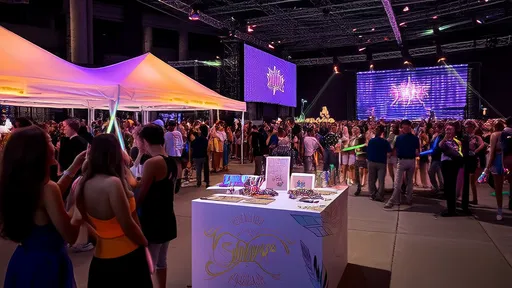
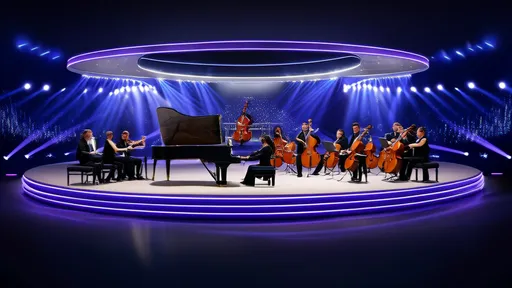
As the medium matures, hybrid concerts that combine live and virtual elements are becoming increasingly common. These productions present additional challenges in balancing the needs of in-person attendees with online viewers. Sophisticated audio routing systems ensure the live mix differs from the broadcast mix, while camera operators must avoid obstructing live sightlines. The most successful hybrid events treat the online component as an equal partner rather than an afterthought to the physical show.
The future of online concerts points toward even more immersive experiences. Emerging technologies like volumetric capture allow viewers to change perspectives in 3D space, while advancements in low-latency streaming enable more genuine real-time interaction. As virtual and augmented reality hardware becomes more prevalent, productions are beginning to incorporate these elements into their planning. What began as a temporary substitute for live events has blossomed into a distinct art form with its own creative possibilities and technical requirements.
By /Aug 13, 2025
By /Aug 13, 2025
By /Aug 13, 2025

By /Aug 13, 2025

By /Aug 13, 2025

By /Aug 13, 2025
By /Aug 13, 2025

By /Aug 13, 2025

By /Aug 13, 2025

By /Aug 13, 2025
By /Aug 13, 2025
By /Aug 13, 2025

By /Aug 13, 2025

By /Aug 13, 2025
By /Aug 13, 2025
By /Aug 13, 2025

By /Aug 13, 2025

By /Aug 13, 2025

By /Aug 13, 2025

By /Aug 13, 2025
